Shadow Dungeon Necromancer
Command an undead army of demons and skeletons to overwhelm your foes.
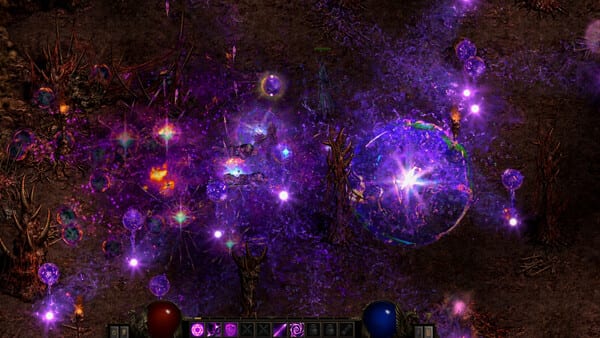
The Necromancer is Shadow Dungeon’s unique summoner class, commanding an undead army of demons and skeletons to fight on your behalf. For players who enjoy a strategic pet-based playstyle where minion management and positioning are as important as direct combat, the Necromancer offers a uniquely satisfying experience unlike any other class in the game.
Class Overview
The Necromancer fundamentally changes how you approach combat by shifting much of the frontline fighting to your summoned minions. While your skeletons and demons absorb damage and engage enemies, you focus on buffing your army, debuffing enemies, and providing support from safety.
The class has three distinct minion types: Skeleton Warriors for frontline tanking, Skeleton Mages for magical damage support, and Demons for heavy burst damage. Managing the composition and positioning of your army is a core strategic element that rewards thoughtful play.
Talent Trees
Summoning Tree — Dominion
The Summoning talent tree focuses on increasing the size, strength, and durability of your undead army. Key skills include Raise Dead, which summons additional skeleton warriors, Demon Call, which summons a powerful demon ally, and Unholy Fortitude, which increases the health of all summoned units.
Key passive skills include Thrall Master, which reduces the cooldown of summoning skills, and Soul Harvest, which occasionally refunds summoning costs when enemies die near your minions.
Dark Arts Tree — Curse
The Dark Arts talent tree focuses on debuffs and dark magic support. Key skills include Enfeeble, which reduces an enemy’s damage and armor, Life Drain, which siphons health from enemies to heal your minions, and Spectral Chains, which immobilizes enemies to give your army time to position.
The Dark Arts tree transforms the Necromancer from a pure summoner into a hybrid support and debuffer whose army is augmented by powerful curses that make everything die faster.
Aura Tree — Presence
The Aura talent tree creates a passive effect zone around the Necromancer that buffs minions and debuffs enemies. Key skills include Aura of Decay, which damages nearby enemies over time, Aura of Might, which increases the attack damage of nearby minions, and Command Presence, which increases the attack speed of your entire army.
The Aura tree is the most passive-oriented talent path, requiring less direct skill management but more attention to positioning to ensure your aura affects the maximum number of allies and enemies.
Minion Management
Effective Necromancer play requires attention to your minion army:
- Keep your army alive — use Dark Arts life drain to heal minions during prolonged fights
- Position your demons — demons deal massive damage but are slow; get them to the right target
- Rebuild after wipes — the Raise Dead skill should be used immediately after losing units
- Stack auras — position at the center of combat to maximize aura coverage
The key difference between good and great Necromancer players is minion management efficiency. Your army is a renewable resource; use it aggressively.
Equipment Priorities
For a Necromancer, prioritize items with the following affixes:
- Minion Damage — directly increases the damage output of your entire army
- Minion Health — keeps your frontline alive longer in tough encounters
- Summon Cooldown Reduction — rebuild your army faster after casualties
- Aura Radius — extends the coverage of your aura abilities
Legendary items that grant additional summoning skills or reduce minion maintenance costs are particularly valuable.
Late Game Hybrid Builds
The most popular late-game Necromancer build combines Summoning and Dark Arts to create an overwhelming army augmented by powerful curses. A well-built late-game Necromancer can have 5+ skeleton warriors, 2 skeleton mages, and a demon all active simultaneously while the character themselves provides continuous debuffs through Enfeeble and Life Drain.
An alternative aura-focused build prioritizes stacking multiple auras for maximum passive effect, creating a Necromancer who is effectively always in the center of a powerful buff and debuff zone.
Pros and Cons
Pros:
- Unique pet-based playstyle not found in other classes
- Strong sustained damage through minion swarm tactics
- Excellent area denial with skeleton mages and aura effects
- Good survivability with minions absorbing frontline damage
- Versatile hybrid configurations across all three talent trees
Cons:
- Lower direct personal damage than other classes
- Minion AI can sometimes be unreliable in complex terrain
- Vulnerable if army is wiped and summoning is on cooldown
- Requires more micro-management than other classes
- Slower to ramp up power compared to other classes in early game
Frequently Asked Questions
Quick answers to the most common questions about Shadow Dungeon.
How does the Necromancer's minion summoning work?
The Necromancer uses summoning skills like Raise Dead and Demon Call to create minions that fight autonomously. Each minion type has different stats and abilities. Summons have a duration and health pool; when they die or expire, you can resummon them with a cooldown. The Summoning tree reduces these cooldowns and increases minion effectiveness.
What is the best minion composition for the Necromancer?
The optimal composition depends on content. For general gameplay, a balanced army of 3 skeleton warriors for tanking, 2 skeleton mages for damage, and 1 demon for burst works well. For boss fights, replace some warriors with additional demons. For trash-heavy content, maximize skeleton warriors and mages for area coverage.
How does the Life Drain skill help with minion survivability?
Life Drain siphons health from enemies and distributes it to your minions rather than to you directly. This makes it the primary sustain tool for maintaining your army's integrity during prolonged fights. Without the Dark Arts tree, your minions have no natural healing, making them vulnerable to attrition.
Are aura builds viable for the Necromancer?
Aura builds are highly viable and often preferred in the late game where multiple auras can be stacked for powerful combined effects. The Aura of Might and Command Presence auras significantly boost your entire army's damage output, while Aura of Decay provides additional passive damage. An aura-focused Necromancer in the center of combat is incredibly powerful.
What makes the Necromancer different from other classes in Shadow Dungeon?
The Necromancer is the only class whose primary damage comes from summoned units rather than direct skills. This creates a fundamentally different gameplay loop where minion management, positioning for aura coverage, and strategic use of debuffs are more important than personal combat skill rotations. The class rewards strategic thinking over mechanical execution.